


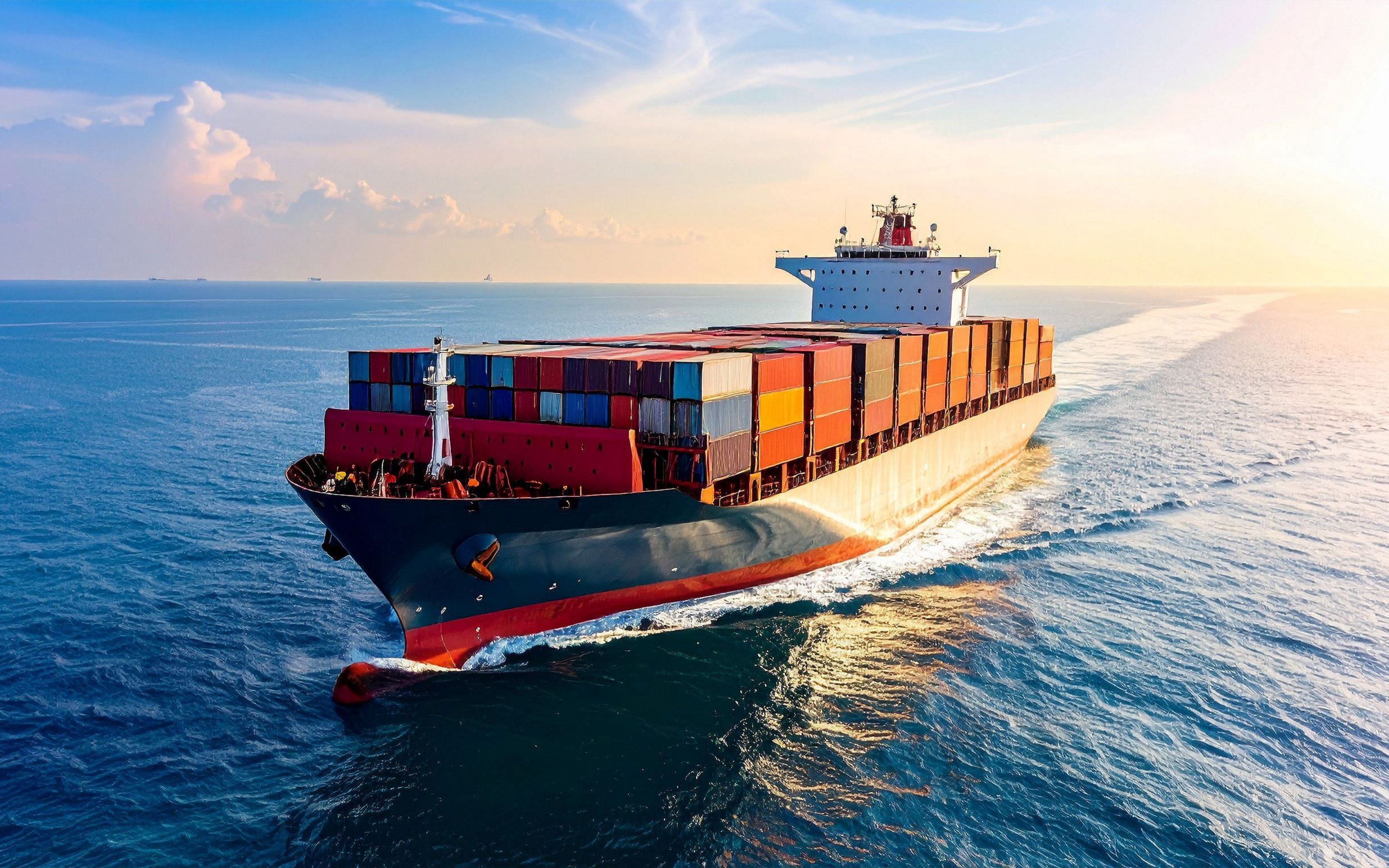
In a worldwhere 90% of global trade moves by sea, logistics visibility has become a strategic advantage. This visibility is crucial for every container shipment. Yet, traditional container trackingbased solely on container numbers remainsfragmentary. This system provides limited insight into actual cargo locationand arrival timing. The lack of real-timedata creates significant challenges for the entire supplychain.
Today, the exploitation of AIS(Automatic Identification System) data—combined with real vesselschedules—marks the beginning of a new era of transparency and precision inmaritime logistics. This AIS data is a game-changer for container tracking. By understanding howthese data sources transform maritime flow management from origin port to finaldestination, stakeholders can better anticipate disruptions. In turn, thisability helps optimize operations.
The limitations of traditional container tracking
Traditional container trackingoperates through container numberidentification and port terminal scans. This event-based system transmitsnotifications via documentation systems. Shippers receive updates only whencontainers pass designated checkpoints—such as vessel loading, departure fromorigin ports, arrival at destination ports, and final delivery. This systemlacks true visibility.
However, this event-driven approachprovides only basic milestone visibility. It lacks granularity regarding vesselmovements and real-time position updates between checkpoints,leaving long periods of uncertainty. This is a major flaw in modern logistics.The AIS system is designed to fill this gap, offering superior container trackingdata.
Key drawbacks: delays and data fragmentation
Several critical limitationsconstrain trackingeffectiveness. First, update delays mean stakeholders often work with outdateddata. Furthermore, the absence of standardization across carriers and portsresults in fragmented data. This poor visibility affects every container ship.
Adding to this, dependence on manualdocumentation introduces error. Altogether, these factors generate partialvisibility that confirms past events rather than enabling predictive insight.Modern logistics demands a better system for tracking every container. The AIS data providesthis better visibility.
Operational consequences of poor visibility
The operational repercussions ofpoor visibility are far from trivial. Companies unable toanticipate port congestion or vessel delays often learn of them only after theyoccur. Consequently, downstream logistics—such as terrestrial trucking andwarehousing—cannot adapt in time. This lackof visibility disrupts the entire supplychain. Every container is affected.
The 2021–2022 global logisticscrisis illustrated these weaknesses. Unprecedented port congestion and vesseldelays created chaos for shippers relying on outdated systems. Container dwell times at major ports exceeded 10 days,while traditional tracking tools offered minimal advance warning. The need forbetter AIS-based tracking becameclear.
For instance, during peak congestionat Los Angeles–Long Beach, many shippers received arrival notifications onlyafter vessels had already spent weeks anchored offshore. This information lagprevented optimization of inland logistics. This poor visibility led to widespread stockouts. A proper AIS trackingsystem would have provided the necessary data.
How AIS and vessel schedules transform cargo visibility
The AutomaticIdentification System (AIS) provides real-time vessel position,speed, course, and identification via radio and satellite. Mandated by theInternational Maritime Organization, AIS data has since become invaluable forglobal cargo tracking. Everycommercial vessel transmits AIS signals, creating a continuous movement record.This AIS system is the foundation of modern maritime visibility.
Creating complete visibility with combined data
When AIS data is merged withscheduled vessel itineraries, it delivers complete visibility of cargo locationand timing. When a vessel deviates from its route or reduces speed, thesechanges are detected immediately through its AIS system. As a result, predictivetracking becomespossible. Stakeholders can estimate actual arrival times based on realconditions rather than relying on static schedules. This data-driven approachis key for logistics.
Advanced predictive capabilities
These predictive capabilities extendfar beyond position tracking.Analysis of historical AIS data reveals congestion patterns, highlighting whenspecific terminals face delays. Dwell time analytics provideearly warning signals of bottlenecks affecting incoming shipments. The AIS dataallows for this level of visibility.
Similarly, anomaly detection flagsunusual routing. For example, the Port of Rotterdam implemented AIS-basedpredictive systems in 2020, analyzing vessel movements. By correlating real-time positions with berth availability, the portreduced average vessel waiting time.This system relies on a constant stream of AIS data.
Transforming supply chain coordination
The transformation in supply chain coordination is substantial.Terrestrial trucking companies now receive advance notice of vessel delays,optimizing driver schedules. Likewise, warehouses can adjust receiving windowsto match real, not theoretical, arrival times. This enhanced visibilitystreamlines the entire logistics chain.
Retailersalso benefit: when shipments face delays, they can update inventory forecasts.Overall, shippers using predictive visibilityreceive ETA updates much earlier than traditional systems provide—enough time to make informed decisions. This is allpossible thanks to AIS data and advanced tracking.
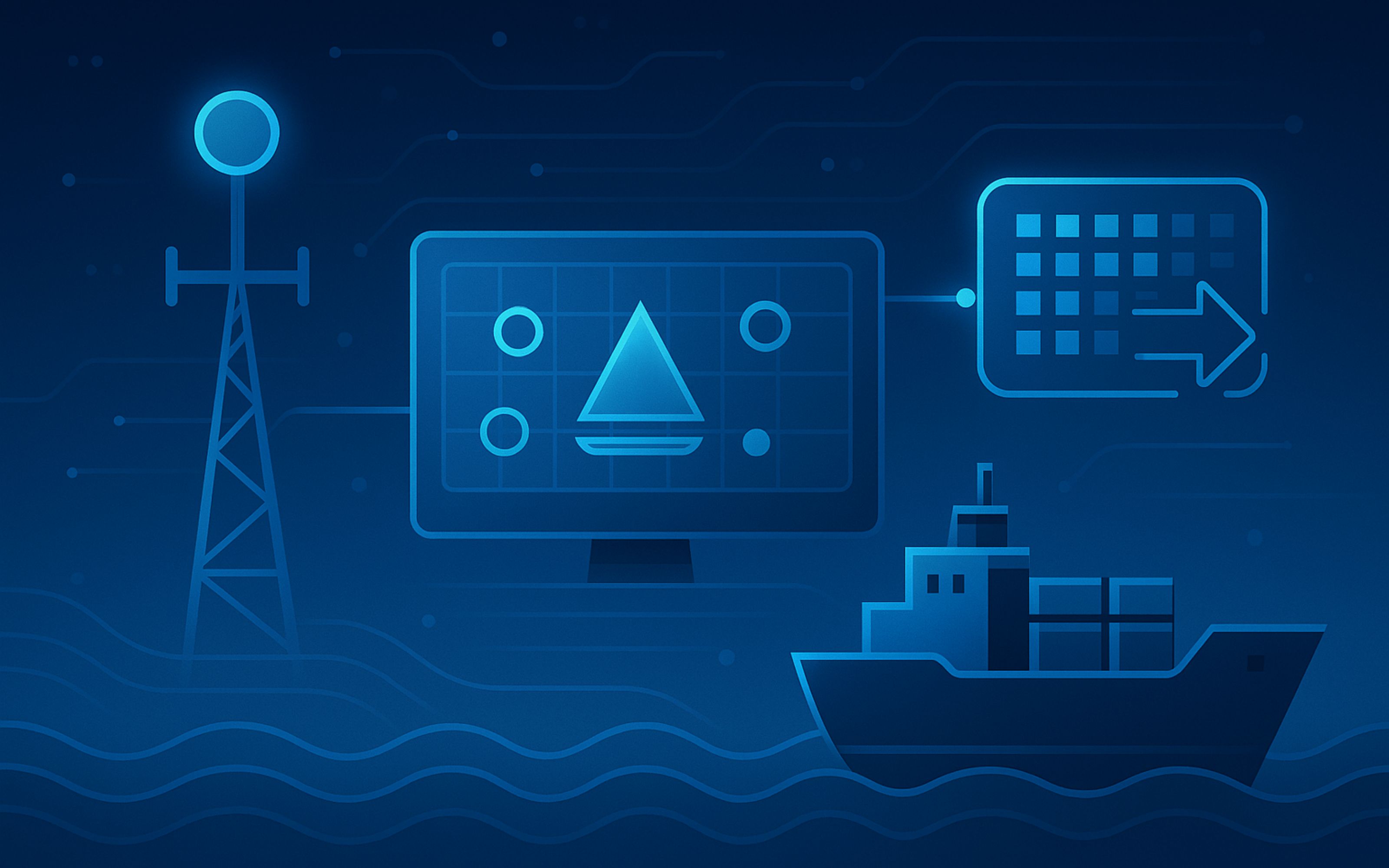
From raw data to actionable insights: the role of AI and analytics
Raw AIS data alone is immense.Global vessel traffic produces millions of position reports daily. Thus,filtering algorithms are essential to isolate relevant vessels, correlate AISidentifiers with cargo shipments, and correct inconsistencies in data reporting.The challenge is to turn this raw AIS data into a tool for better visibility.
Thepower of AI in predictive analytics
Artificial intelligence transformsthis processed AIS data into predictive intelligence. Machine learning modelslearn from thousands of historical voyages, determining typical transit times.They account for vessel characteristics and environmental factors. Through thiscontinuous learning, AI generates ETA predictions far more accurate than thosebased on static schedules. This system provides unparalleled logistics visibility.
Automated anomaly and incident detection
Automation further enhancesresponsiveness. When vessels reduce speed unexpectedly or deviate from expectedroutes, AI-driven systems trigger real-time alerts. Stakeholderscan then respond proactively, using this AIS data to adjust operations beforedisruptions cascade through the supply chain.This real-time trackingis vital.
Visualizing data for actionable decisions
For non-technical professionals,data visualization makes complex analytics accessible. Dashboards displayvessel positions, predicted arrival ranges, and risk indicators throughintuitive maps. This visibilityhelps every team member.
Historical performance metrics alsohelp benchmark carriers and optimize future routing choices. One Europeanautomotive manufacturer, for example, used an AI-powered tracking system thatpredicted a three-day delay for a vessel carrying time-critical components. The early alertallowed the company to expedite alternative shipments, preventing a costlyproduction halt. This is a powerful example of AIS data in action.
Sinay’s approach: turning maritime data into supply chain intelligence
At Sinay, weaggregate and analyze maritime data – including AIS, vessel schedules,and port events – to deliver real-time visibility across entire supplychains. Our platform synthesizes these sources into unified intelligencesupporting both operational and strategic decision-making. This comprehensivesystem offers end-to-end container tracking.
Coremodules: predictive analytics and ETA forecasting
Our Port Congestion Analytics modulemonitors vessel traffic patterns and dwell times across major ports worldwide.Machine learning identifies congestion trends before they materialize, givingshippers time to reroute. Meanwhile, our ETA Predictionintegrates real-time vessel data andenvironmental conditions to continuously refine arrival forecasts. This systemprovides the best logistics visibility.
Delivering tangible business value
The value proposition goes beyond tracking – it creates true supplychain intelligence. Reliability improves through verified real-time data, while reactivity enables rapidadjustments. Our AIS-based system is a key enabler.
In practice, these tools reducedemurrage costs through optimized pickup timing and improve fleet rotationefficiency. Clients report 15–30% reductions in supplychain variability after implementing our predictive visibilitysystems.[W14]
Toward a transparent and predictive maritime supply chain
Globallogistics trends increasingly favor “smart logistics”, where data flows asseamlessly as cargo itself. Digital transformation initiatives across ports andcarriers foster interconnected ecosystems where interoperability is key. The DigitalContainer Shipping Association (DCSA)standards now underpin this exchange, enabling secure, automated communicationbetween stakeholders. Our AIS data platform is fully compliant.
Enabling secure and collaborative data sharing
To achieve full transparency,collaboration must balance openness with confidentiality. Blockchaintechnologies allow verified data exchange without exposing sensitiveinformation, while API-based integrations automate data sharing betweenenterprise systems. These innovations build trust and improve efficiency acrossthe logistics network. The AIS system is a critical component.
Thefuture: integrating sustainability and environmental data
Looking ahead, integratingenvironmental data will elevate predictive systems further. Weather datasetsenable route optimization balancing time, fuel, and emissions.Likewise, carbon footprint tracking supportscompliance with environmental reporting. By coupling sustainability withefficiency, supply chains become bothgreener and more resilient. The AIS data can contribute to this goal.
Apredictive, ethical, and high-performing supply chain
Ultimately, the vision is clear: amaritime logistics ecosystem that is predictive, ethical, and high-performing.Predictive analytics anticipate disruptions before they escalate, while ethicalpractices ensure fairness and transparency. Through innovation, collaboration,and commitment to data-driven decision-making, the maritime sector can alignperformance with responsibility—building a smarter, more sustainable supply chain for the future. The role of AIS dataand comprehensive tracking will onlygrow.